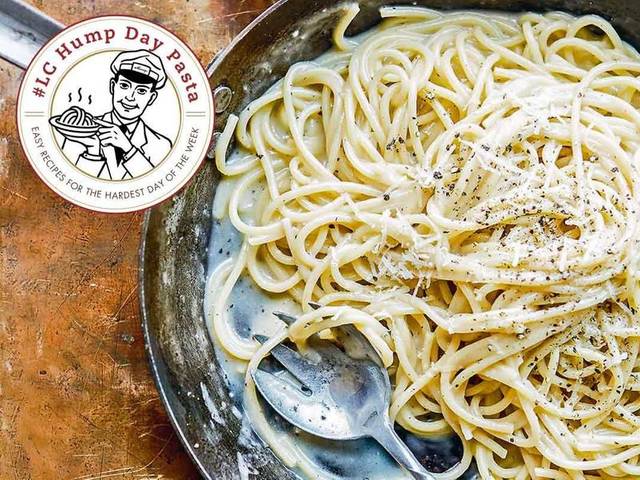
Cacio e Pepe
0
Ingredients
- 3 tablespoons extra-virgin olive oil
- 3 1/2 ounces Cacio de Roma, finely grated (ideally the cheese should be the semi-soft sheep’s cheese from Lazio called Cacio de Roma, but if this is hard to find use pecorino Romano or Parmigiano-Reggiano instead)
- 11 1/2 ounces fresh tonnarelli or dried spaghetti
Instructions
1. Grab your largest saucepan (you want it to be around 12 inches or 30 centimeters in diameter or large enough for the spaghetti to lie in a single layer) and place it over medium heat. Add the oil and pepper and heat until you can smell the heady spice of the pepper, about 2 minutes. 2. Add the spaghetti to the pan along with the salt and about 2 cups (16 fluid ounces) of water. You'll want to watch out as the water may sputter when added to the hot oil. Add the remaining 2 1/4 cups (18 fluid ounces) hot water, little by little, as you would with risotto—that is to say, add a ladleful of hot water and cook, stirring frequently, until the liquid is almost but not completely absorbed before adding another ladleful of water. 3. Repeat until the spaghetti is al dente and the water has reduced to a soupy consistency, 8 to 10 minutes. If the pasta starts to look dry, add a little more water but no more than a total of 5 cups (40 fluid ounces). 4. While the pasta is cooking, warm some bowls in a low oven. (Don't ignore this step. It helps ensure the creamy sauce clinging to the pasta doesn't turn to clumps.) 5. When the pasta is ready, remove the pan from the heat and add the cheese, a little at a time, stirring furiously and constantly, until a smooth and creamy sauce forms. Serve the cacio e pepe straight away in the hot bowls.
Estimated Nutrition (per serving)
* These are rough estimates based on common ingredient values. Actual nutrition may vary.
63
Calories
1g
Protein
6g
Carbs
4g
Fat
1g
Fiber
Tips & Variations
Blanch vegetables
Blanching in boiling water then ice water keeps vegetables vibrant and crisp.
Season your water
Salt your pasta or vegetable water like the sea for better flavor.
Al dente pasta
Cook pasta until it's still slightly firm - it will continue cooking in the sauce.
Frequently Asked Questions

The Meal Finder - Infinite Recipes
© 2026 The Meal Finder