Classic Italian Beef Pot Roast
0
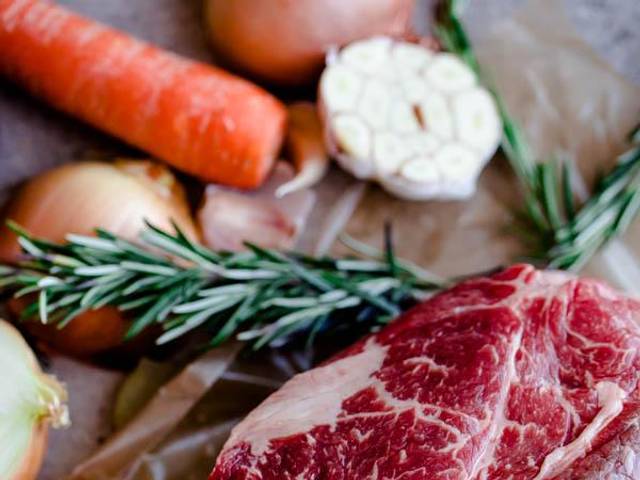
Ingredients
- 2 dried bay leaves
- 1 (3.5 to 4 lb) boneless beef chuck roast (trimmed and tied snugly with kitchen string**)
- 1 cup beef stock
- 1/4 cup brandy
- 1 carrot, coarsely chopped
- 2 celery stalks, coarsely chopped
- 2 tablespoons extra virgin olive oil
- 1 head of garlic, cut crosswise in half
- 2 medium yellow onions, coarsely chopped
- 1/2 lb pancetta (one piece 1-inch thick), or 2-3 strips of thick-cut bacon
- 1/2 teaspoon black peppercorns
- one (750 ml) bottle fruity dry red wine (eg. Chianti)
- 2-3 large sprigs of fresh rosemary
Instructions
1. Prepare Marinade (24-36 hours in advance): Heat oil in a large saucepan over medium heat. Add celery, onions, and carrot and saute for 7 to 8 minutes, or until they are lightly caramelized. Add garlic, bay leaves, rosemary sprigs, and whole peppercorn, pour in wine, and bring mixture to a boil. Reduce heat and simmer liquid for 5 minutes to infuse wine. Remove from heat and allow to cool to room temperature. 2. Season the meat, on all sides, generously with salt. Place in a large gallon size freezer bag, and carefully pour the room-temperature red wine marinade into bag, along with all of the aromatics. Place on a small baking sheet and refrigerate for 24 to 36 hours. Turn meat a few times during the marinade process. 3. Preheat the oven to 300°F (150°C) and place a rack in lower third of oven. Remove the pot roast from the marinade, place on a rack on top of a baking sheet to drain (you want to save any marinade that drips from the meat for cooking later). Pat the meat thoroughly with paper towels, you want it to be relatively dry in order for it to brown well. 4. Heat the oil in a large skillet over medium heat. Add meat, and sear on all sides, using large kitchen tongs to turn it. It will take anywhere from 12 to 20 minutes total. It should be a relatively dark sear (especially due to the wine marinade). Transfer meat to a 3 or 4-quart Dutch oven. 5. Discard any fat in the skillet, and wipe it with a clean paper towel. Return skillet to medium-high heat and add the brandy–be extremely careful and stand back, as alcohol can ignite. Bring brandy to a boil, scraping bottom of skillet to deglaze any brown bits on bottom of pan. Reduce liquid to roughly 2 tablespoons. Strain the marinade into the skillet (reserve vegetables), and bring to a boil. Boil marinade until it is reduce to about a cup. Add stock, and boil again to reduce by half. Remove from heat. 6. Place pancetta (or bacon, if using) under or next to the seared pot roast in the Dutch oven pot. Place the reserved vegetables from the marinade around the meat (you can also push some under the meat too). Pour over the reduced braising liquid, cover with a sheet of parchment paper so that it nearly touches the meat, and cover tightly with lid. 7. Place pot into the oven, checking after 15 to 20 minutes to ensure it is very slowly simmering (not simmering too quickly). Reduce heat by 10°F to 15°F if simmering too quickly. Braise the roast for 2½ to 3½ hours, turning it once halfway through the braising time. 8. To finish: Lift pot roast carefully and place on platter to catch juices. Strain braising liquid into a saucepan (reserve pancetta and garlic)–discard any other vegetables. Skim and discard most fat from the braising liquid, and bring to a boil. Simmer for about 10 minutes, tasting as you go. Season to taste with salt and pepper. 9. Meanwhile, squeeze the garlic cloves out of the head of garlic, and smash into a paste using a fork. Pull apart the pancetta. Tear into small shreds, and add this to the sauce along with the smashed garlic. 10. Remove kitchen string from pot roast, and carve on an angle to produce ½-thick slices, and serve with sauce and mashed potatoes.
Estimated Nutrition (per serving)
* These are rough estimates based on common ingredient values. Actual nutrition may vary.
60
Calories
5g
Protein
2g
Carbs
4g
Fat
1g
Fiber
Tips & Variations
Rest your meat
Let cooked meat rest for 5-10 minutes before cutting to keep juices inside.
Season generously
Season at each stage of cooking, not just at the end.
Al dente pasta
Cook pasta until it's still slightly firm - it will continue cooking in the sauce.
Frequently Asked Questions
Similar Recipes You Might Like

The Meal Finder - Infinite Recipes
© 2026 The Meal Finder